6 Things You Can Do to Manage Performance Pressure as an Athlete

 
Therapy for Athletes Dallas, TX
 

In the world of sports, there is no shortage of pressure. As an athlete, you receive pressure from every place you look. Teammates and coaches need you to play or compete well and parents may expect constant achievement. There is also the added pressure coming from within yourself, striving to prove you are the best, keep your position, or earn a position on a new team. With pressure coming from all directions, there are undoubtedly negative effects on the psyche of an athlete.

When you are under immense anxiety, you might notice your performance decline. It also impacts you mentally, with the inability to focus, lack of confidence, or constant fear of failure.

With so much pressure coming from all directions, how could it be possible to stay calm, focused, and confident? Here are the 6 tips to manage performance pressure:

#1 Focus on your own ability, rather than the ability of your competitors.

It can feel natural to compare yourself to others. It is so easy, in fact, you might not notice how often you are thinking thoughts like “They’re so much faster than me” or “I wish I were as coordinated as her”. Becoming aware of these thoughts is vital. Once you have awareness, you can shift them and replace them with more positive thoughts like “I’ve practiced long and hard for this and I know I am ready.” Make your own athleticism about you, not about everyone else around you.

#2 Stay present.

Performance anxiety, like all forms of anxiety, are rooted in a fear of the future. You might be fearful of feeling embarrassed, losing a scholarship, or disappointing your parents. It could also be fear of losing status as the star athlete. Thinking of all the possible things that could go wrong while you are competing will surely feed your anxiety. Take a moment and bring yourself to the present moment. You can do this by using your senses. For example, notice 3 things you haven’t seen before, like the color of the opponent’s fan’s shirts or the details of your equipment. Use other senses as well, such as noticing sounds coming from a distance. Take your mind away from all the possible mishaps of the future. Remind yourself that in the moment you are strong and confident enough to handle one play at a time.

#3 Notice where the fear comes from.

Pressure is born from fear. Learn where your fear comes from. Are you scared about disappointing the people around you? Are you worried that if you do not get the scholarship you will never go to the school of your dreams? Are you concerned that if you are not the best, then your identity is wrecked? When you know where the fear stems from, you can start to challenge those thoughts and create new ones that are more conducive to your goal of being confident.

#4 Manage your expectations.

We all know this, but sometimes we need to ask ourselves if we really know this: We are not perfect and we should not expect perfection. Elite athletes often adopt a mentality that always pushes them to become better and better and better, striving to become as close to perfect as possible. Remind yourself that errorless games or meets are not realistic and reset your goals. Create challenging, yet attainable, goals that leave you feeling encouraged and confident, rather than disappointed and defeated.

#5 Use your own experience as evidence.

After you have played your sport for several years, you can recall many instances that you competed extremely well. When you start to doubt your ability, whether you are in a slump or have a coach that is constantly pointing out your errors, use your own accomplishments as proof you have capability. You have been training for years and you have taught your body to perform or play well. You can trust that.

#6 Use the anxiety to your advantage.

Anxiety is part of life. In some respects, it will always be there. You can learn to lower the anxiety levels and then use what is left to your advantage. Anxiety can serve as a reminder that something is important to you. It can get you in touch with the overwhelming joy of a big win. It can provide energy that you can put back into the sport. Anxiety can also help push you to keep striving towards your goals. Having a healthy balance of emotions is achievable and helpful.

Next Steps

Performance pressure and anxiety is extremely common amongst athletes of all ages. Managing it is not only possible, but essential. Protecting the mental health of an athlete is important for their individual wellbeing and for their performance. There are plenty of tools and strategies we can equip you with to combat the common pressures of playing a sport. You can reach us directly to get started with our therapist that specializes in working with athletes. Additionally, if you want to learn more about what type of therapy might be the best fit for you or if you have additional questions you can inquire more here.

About The Author

Kayla Bryant, LPC

I’m a licensed professional counselor in Dallas, TX, providing online therapy for adults living in Texas. In addition to working with individuals who are struggling in relationships and those who have gone through abuse and trauma, I also have extensive experience in helping those who suffer from multiple addictions and in helping assist those who are encountering a challenging transition. I offer my clients tools that help them feel empowered and also help serve as a catalyst for change. You can learn more about me as a therapist here and more about therapy for athletes to discover additional helpful insights.

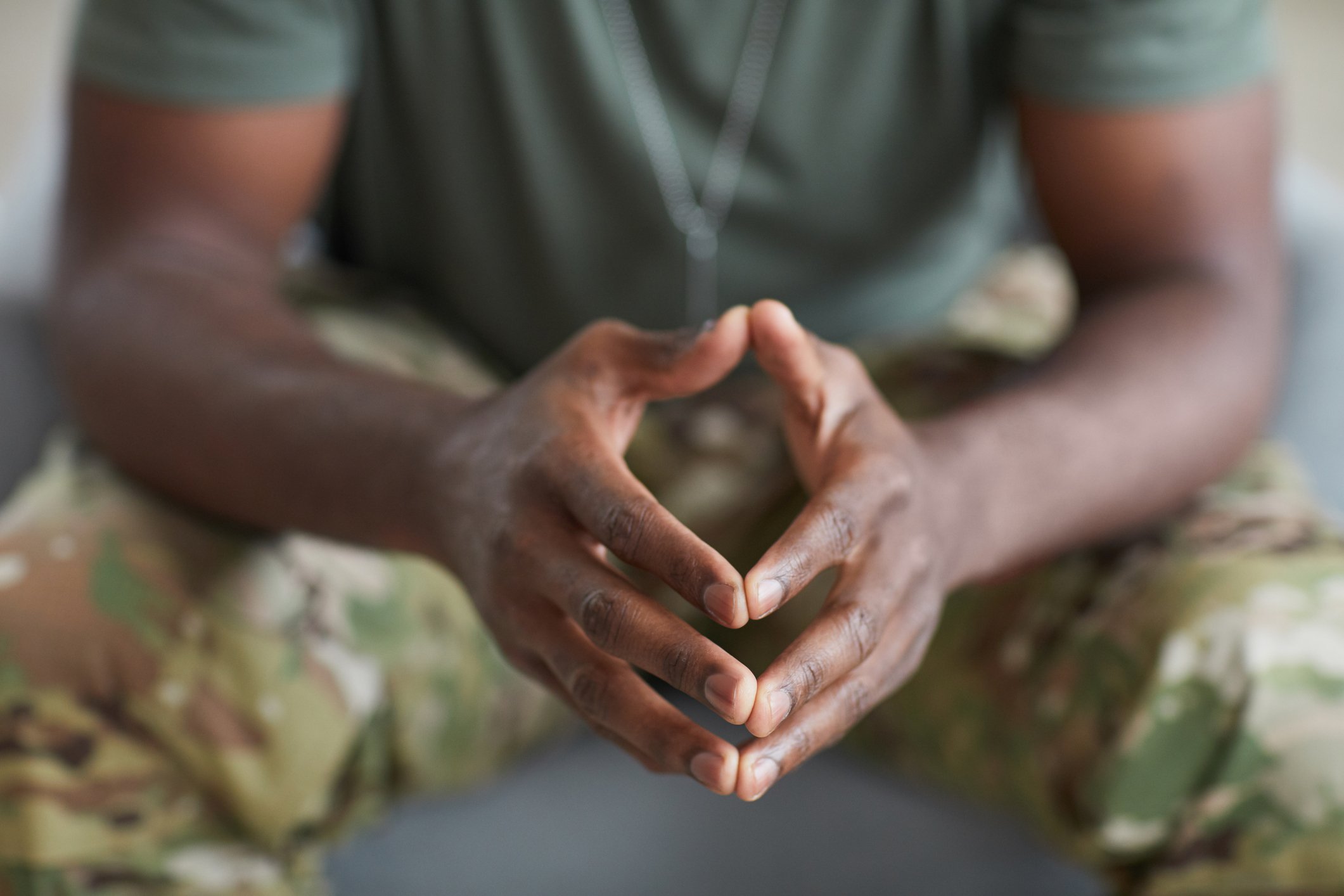
 

The Invisible Wound of War: Understanding Traumatic Brain Injury (TBI) and PTSD in Veterans


The Unseen Battle: How TBI and PTSD Impact Veterans

When we think of war injuries, we often picture physical wounds—broken bones, scars, or amputations. But for many veterans, some of the most life-altering injuries are the ones no one can see. Traumatic Brain Injury (TBI) and Post-Traumatic Stress Disorder (PTSD) are two conditions that frequently overlap, making them difficult to diagnose and treat. Yet, understanding these conditions is crucial for veterans, their loved ones, and the professionals who support them.

What Is Traumatic Brain Injury (TBI)?

A Traumatic Brain Injury (TBI) occurs when a sudden trauma—such as a blast, fall, or direct blow—causes damage to the brain. TBIs can range from mild to severe, but even a mild TBI (mTBI), commonly known as a concussion, can have lasting effects.

Between 2001 and 2014, the U.S. Department of Defense identified over 230,000 veterans with a TBI. Many of these injuries occurred due to blast exposure, a form of trauma that has gained increasing attention due to its unique and often invisible effects on the brain.

The Connection Between TBI and PTSD

A veteran in a therapy session practicing trauma-informed healing techniques.

In 2019, the U.S. Department of Veterans Affairs (VA) confirmed that many TBI symptoms overlap with PTSD symptoms. Since a TBI results from trauma, it’s no surprise that the two conditions frequently co-exist. Veterans who sustain a TBI are at higher risk for developing PTSD, and vice versa.

Both conditions can lead to significant cognitive, emotional, and physical struggles, making daily life challenging.

Recognizing the Symptoms of TBI and PTSD

Understanding the symptoms of TBI and PTSD can help veterans and their loved ones seek appropriate care. While symptoms can vary, here are some of the most common ones:

Physical Symptoms

  • Chronic headaches or migraines

  • Dizziness or loss of balance

  • Sensitivity to light and noise

  • Fatigue and sleep disturbances

  • Blurred or double vision

Cognitive Symptoms

  • Difficulty concentrating or staying focused

  • Memory problems

  • Acting impulsively or struggling with decision-making

  • Trouble putting thoughts into words

Emotional and Psychological Symptoms

  • Anxiety and panic attacks

  • Depression

  • Mood swings or personality changes

  • Anger outbursts and irritability

Many of these symptoms can be mistaken for normal stress reactions, leading to misdiagnosis or delayed treatment. However, when left untreated, both TBI and PTSD can significantly affect relationships, employment, and overall quality of life.

The Challenges of Diagnosing TBI and PTSD

One of the biggest hurdles in treating veterans with TBI and PTSD is proper diagnosis. Many symptoms are invisible and subjective, which can lead to skepticism from others, including medical professionals, employers, and even family members.

Additionally, because TBI and PTSD frequently co-occur, symptoms often blend together, making it difficult to determine whether cognitive and emotional difficulties stem from brain damage, psychological trauma, or both.

To address this, the VA has developed TBI screening tools to help identify potential injuries. These screenings don’t provide a definitive diagnosis but serve as an important first step in recognizing when further assessment is needed.

Effective Treatment Options for TBI and PTSD

The good news is that treatment options are available for both TBI and PTSD. Veterans experiencing these conditions don’t have to suffer in silence—recovery is possible with the right support.

Rest and Recovery

  • Allowing time for the brain to heal

  • Avoiding alcohol and recreational drugs

  • Gradually resuming responsibilities at a manageable pace

Trauma-Informed Therapy Approaches

The VA has found that many PTSD treatments are also effective for veterans with TBI. At White Rock Therapy, we specialize in trauma-focused therapies that support healing, including:

A serene, nature-based scene with a veteran practicing mindfulness, symbolizing recovery and hope.
  • Eye Movement Desensitization and Reprocessing (EMDR): Helps the brain process traumatic memories in a less distressing way.

  • Internal Family Systems (IFS): Encourages self-compassion and healing by exploring different parts of oneself.

  • Polyvagal Therapy: Focuses on regulating the nervous system to reduce anxiety and emotional reactivity.

  • Mindfulness-Based Therapy: Enhances emotional regulation and present-moment awareness.

Supportive Lifestyle Adjustments

  • Engaging in regular physical activity

  • Practicing mindfulness and meditation

  • Building a strong support system with family, friends, and fellow veterans

The Importance of Seeking Help

Many veterans struggle with seeking help due to stigma, feelings of shame, or a belief that they should “tough it out.” But mental and emotional wounds deserve as much attention as physical ones.

If you or a loved one are experiencing symptoms of TBI or PTSD, it’s essential to reach out for professional support. At White Rock Therapy, we understand the complexities of trauma and brain injuries, and we are here to help you navigate your recovery journey.

FAQs About TBI and PTSD in Veterans

1. Can you have PTSD without a TBI?
Yes. PTSD can occur without a TBI, though they often co-exist in veterans due to combat-related trauma.

2. Can TBI symptoms get worse over time?
Yes, especially if left untreated. Cognitive and emotional difficulties may become more pronounced if proper care isn’t received.

3. How can family members support a veteran with TBI and PTSD?
Providing emotional support, encouraging treatment, and learning about these conditions can make a significant difference.

4. Is it possible to fully recover from TBI and PTSD?
While some symptoms may persist, many veterans experience significant improvement with proper treatment and support.

Final Thoughts: You Are Not Alone

TBI and PTSD are often called the invisible wounds of war, but that doesn’t mean they have to go unnoticed or untreated. If you or someone you love is struggling, reach out for support. Healing is possible, and you don’t have to do it alone.

At White Rock Therapy, we are committed to helping veterans navigate their journey to recovery. Learn more information about TBI and PTSD for veterans and access some helpful resources; and if you're ready to take the next step, contact us today.